Send photos and a location pin
WhatsApp the affected room, nearest valve, meter area and access details. For local calls around kitchens, rental units, offices and appliance water points, clear access instructions can save valuable time.
Dishwasher connection Randburg
A dishwasher connection should protect the kitchen cupboard, water supply, waste option, appliance seals and nearby floors from leaks, backflow, pressure problems and poor hose guidance.
A dishwasher connection is a small plumbing job with a high damage risk if the inlet valve, hose option, waste spigot, pressure behaviour or drain path is wrong. For Randburg kitchens, the connection should be treated as appliance water-safety work, not a quick hose fit.
Randburg emergency box
A dishwasher leak usually needs fast isolation before the diagnosis. This Randburg emergency box gives the customer immediate practical help while also separating appliance-supply faults from waste-line faults for the technician.
Most Randburg dishwasher points are fed from a small isolation valve inside the sink cupboard, behind the appliance, or on a shared cold-water branch near the kitchen trap. Turn the appliance off first, then close the small valve if it is reachable and not seized. Hillside properties in Northcliff and elevated Johannesburg North pockets can show extreme or unstable pressure, so we check the PRV (Pressure Reducing Valve) before connecting any appliance where hose blowouts, hammering or aggressive flow are present. In Ferndale, Blairgowrie, Bordeaux, Robin Hills, Linden and Fairland homes, also note whether the leak worsens when other fixtures are opened, because that can point to pressure behaviour rather than a simple hose fault.
If the small appliance valve cannot be found or will not close, use the property main stop tap and keep the dishwasher switched off. In sectional-title units, note whether the leak is inside the unit only or affecting a neighbour, ceiling or common wall.
Water appearing during filling points to the inlet, valve or hose. Water appearing during pump-out points to the waste spigot, high loop, trap or kitchen branch drain. This simple timing detail helps option the call correctly.
Technical method
A quality dishwasher connection checks the inlet feed, isolation valve, waste hose option, cupboard access, final leak behaviour and the appliance manufacturer's limits. The aim is to prevent leaks, appliance siphonage, waste-water return, pressure damage and hidden cupboard deterioration while keeping the installation serviceable.
The high loop raises the dishwasher waste hose before it enters the sink waste, creating a practical air-break style barrier in the waste option. When the sink trap is full, slow or backing up, this raised loop reduces the siphonage path that can pull dirty sink water, grease and bacteria back toward the dishwasher cabinet, helping protect clean dishes, pump seals and the appliance interior.
A dishwasher should not depend on a hidden, seized or shared valve that cannot be reached during a leak. Where the existing connection is poor, a suitable isolation valve, often with a DZR brass specification where appropriate, gives the customer a practical shutoff point.
A proper handover should include a pressure-side check and a drain-side check. The inlet must hold under pressure, the drain hose must not jump or leak, and the sink waste must accept the dishwasher discharge without backing up.
Technical specification
A dishwasher may look simple from the front, but the working risk sits behind the machine and under the sink. The inlet valve, hose option, waste spigot, trap connection, pressure behaviour and appliance clearance all affect whether the installation remains dry and serviceable.
Dishwasher supply and waste work should be approached with awareness of SANS 10252-1, the South African National Standard framework used for water-supply and drainage principles in buildings. On site, that means controllable isolation, serviceable access, leakage protection, backflow-conscious waste guidance and a connection method that suits the existing Randburg kitchen plumbing. The practical aim is not only to make the appliance run, but to prevent dirty sink waste from being pulled back toward the dishwasher, keep the shutoff valve reachable and protect the cupboard from slow hidden leaks. Exact compliance certification should always be confirmed against the current standard, the appliance manual and the conditions found at the property. This wording is intentionally SANS-aware rather than a generic appliance description, because the safety issue is the building water supply and drainage path, not only the dishwasher.
A dishwasher connection should be treated as part of the Randburg kitchen water-supply and drainage system, not as a simple appliance plug-in. The practical checks cover SANS 10252-1-aware water-supply and drainage principles, DZR brass isolation where a new valve is required, backflow-conscious waste guidance, high-loop siphonage control, pressure behaviour, visible leak testing and the way the kitchen branch drain accepts pump-out water.
That is why the Randburg Emergency Box links appliance symptoms to property infrastructure: Northcliff pressure and PRV risk, older Linden grease-restricted kitchen branches, Ferndale and Blairgowrie sink-cupboard access constraints, and leak-detection escalation where water appears away from the appliance hoses.
For a new appliance isolation point, DZR (Dezincification Resistant) brass is a stronger specification than generic low-grade fittings where local water conditions, pressure changes and future service access matter. The valve must be reachable, clearly isolated from other fixtures and positioned so the dishwasher can be removed later without breaking cupboards. This is especially important where older Randburg kitchens have tight sink cupboards, shared cold feeds or previous appliance alterations.
For this Randburg dishwasher connection option, the technical check is framed around SANS 10252-1 water-supply and drainage awareness, a reachable DZR brass isolation valve where replacement is needed, high-loop waste guidance to control siphonage, secure spigot clamping, visible leak testing and pressure behaviour checks before the appliance is signed off. The purpose is to protect the appliance, the cupboard and the branch drain as one connected kitchen plumbing system.
After the inlet is connected, the valve and hose seating should be checked while pressurised. A practical hydrostatic pressure observation period, followed by an appliance fill-and-drain cycle, helps catch weeping threads, poor washers, solenoid seating issues, hose movement and waste-option vibration before the customer loads the machine.
Randburg infrastructure notes
Randburg is not one uniform plumbing environment. Older kitchens, sectional-title units, elevation changes and aging municipal options can all affect appliance plumbing decisions.
Properties around elevated parts of Northcliff and neighbouring Johannesburg North areas can experience noticeable pressure behaviour. Where pressure is aggressive or unstable, the dishwasher inlet hose and valve setup should be checked carefully, and a pressure-reducing valve option may need to be discussed.
In older Randburg suburbs such as Ferndale and Blairgowrie, appliance strainers and small solenoid filters can be affected by sediment from older water lines. Before final handover, the inlet path should be checked so the machine is not blamed for a supply-side restriction.
Flats, townhouses and commercial kitchens near Cresta, Bordeaux and central Randburg often have tight cupboard access and shared sink waste options. The connection should leave enough room for future isolation, drain checks and appliance removal.
Randburg kitchen context
Randburg kitchens can include older cupboards, older copper or plastic supply options, shared sink wastes, tight appliance spaces and existing valves that may not close properly. Sediment in older water lines can also affect small appliance strainers and solenoid filters, so a careful connection should consider both water supply and future service access.
If water starts escaping, switch the appliance off, close the small under-sink isolation valve if available, and avoid using the sink until the waste option is checked. If there is no small valve, use the main stop tap and call for help.
Watch for water under the machine, wet cupboards, a smell from the sink waste, water returning into the dishwasher, a humming inlet, slow draining or leaks appearing only during the drain cycle.
Dishwasher connections should be quoted before work starts. The final price depends on access, whether a valve already exists, waste guidance, cupboard drilling, fittings required and whether old parts need replacement.
Unified infrastructure plan
This table turns common appliance symptoms into the correct plumbing option, helping customers avoid replacing the machine when the building plumbing is the real fault. It connects appliance plumbing with pressure control, leak tracing and drain cleaning rather than treating each issue as a separate landing page.
Municipal pressure fluctuations in Randburg can stress dishwasher hoses, inlet valves and appliance seals. Repeated hose failures, hammering or very aggressive flow should trigger a PRV check, especially before a new appliance is connected in high-pressure zones.
If water appears at the plinth or floor but both visible hoses remain dry, the issue may be a hidden cupboard option, wall feed, under-slab leak or nearby kitchen plumbing line. Leak detection becomes the correct option when the appliance is dry but the building fabric is wet.
If the dishwasher drains slowly, smells, gurgles or sends water back into the sink, the main kitchen branch may be grease-restricted and should be checked before the appliance is blamed. This is especially relevant in older Randburg suburbs such as Linden, where kitchen branch lines can carry years of grease load. A dishwasher cannot drain reliably into a partially blocked branch line.
Connected plumbing services
A strong appliance connection page should not stand alone. Dishwasher symptoms often connect to pressure control, drainage, leak tracing, kitchen plumbing or hot-water compatibility.
Visual trust upgrade
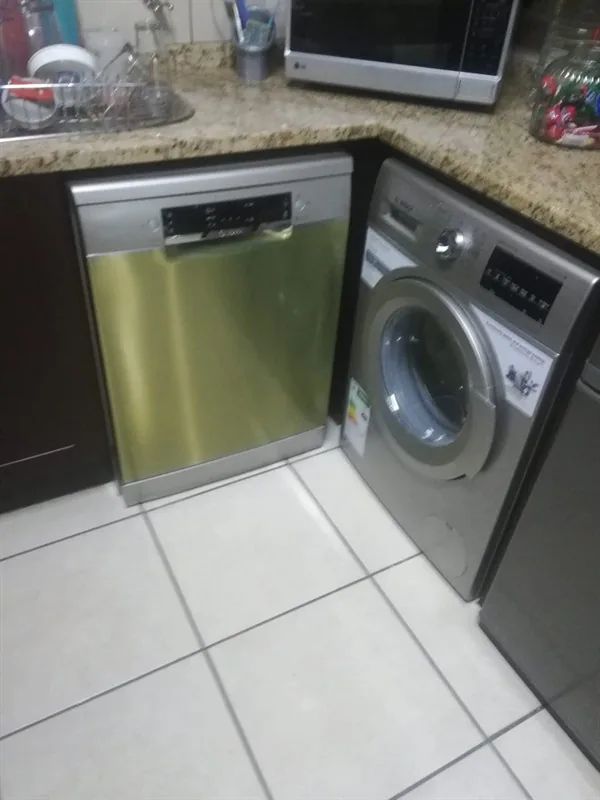
This service now uses an original Plumb A Nator job-site WebP photo instead of the former default placeholder. The image gives property owners a real workmanship signal rather than a stock-style service graphic. For the next photo upgrade, the ideal close-up is still an under-sink dishwasher connection showing the DZR isolation valve, high-loop waste hose, secure spigot clamp and appliance hose option in one clear Randburg kitchen frame.
Use a real kitchen image that shows the completed under-sink connection, not only the dishwasher front. This proves the technical work behind the appliance.
A clear original photo can support visual trust because the image shows actual plumbing work: valve position, hose guidance, waste entry, clamp quality and cupboard access. The ideal replacement image is a sharp WebP job-site photo of a Plumb A Nator technician installing a high-loop waste hose with a proper spigot clamp in a Randburg kitchen.
When the photo is ready, replace the hero image and keep the alt text focused on Randburg dishwasher connection, high-loop guidance and under-sink appliance plumbing.
Related Randburg plumbing options
These service options help when a dishwasher issue is connected to the kitchen sink, hidden leak, blocked waste option or wider Randburg plumbing problem.